
Government Urges Calm as April Price Hikes Loom and Food Costs Set to Rise
CCN Reporter – George April
Cape Town:- The Western Cape Government has moved quickly to reassure residents and farmers that there is “no fuel shortage” in the province, despite growing public anxiety linked to global tensions in the Middle East. Premier Alan Winde said there is more than enough fuel in reserve to meet demand. Isolated reports of empty pumps or partial deliveries, particularly of diesel, are not due to a lack of supply but rather suppliers delaying or restricting deliveries in anticipation of higher prices.
“We want to assure residents that there is sufficient supply of fuel in the Western Cape to meet demand,” the Premier stated. “There is no cause for concern. There is more than enough fuel in reserve. All suppliers must immediately release full orders of fuel to all clients.”
Winde warned that any supplier found holding back stock would face legal consequences. “It is unethical for suppliers to delay the delivery of fuel while waiting for prices to increase,” he said. “We will not tolerate suppliers unethically holding onto fuel while our agricultural sector is under pressure.”
The Provincial Disaster Management Centre is monitoring the situation together with the fuel industry, Agri Western Cape, Eskom and emergency services. The Premier emphasized that all other sectors remain unaffected.
Agri Western Cape has reported that some farmers in the “Garden Route and West Coast districts” (including areas around Malmesbury) are receiving only about 20% of their normal diesel orders. This is especially concerning as the province heads into the fruit-harvesting season and winter grain planting.
The government and the Fuel Industry Association of South Africa are actively identifying any companies restricting supply and have urged the public not to panic-buy or hoard fuel.
April Fuel Shock on the Way – What It Means for Your Pocket and Your Plate
While supply remains stable, motorists and households face a major price shock from “1 April 2026”.
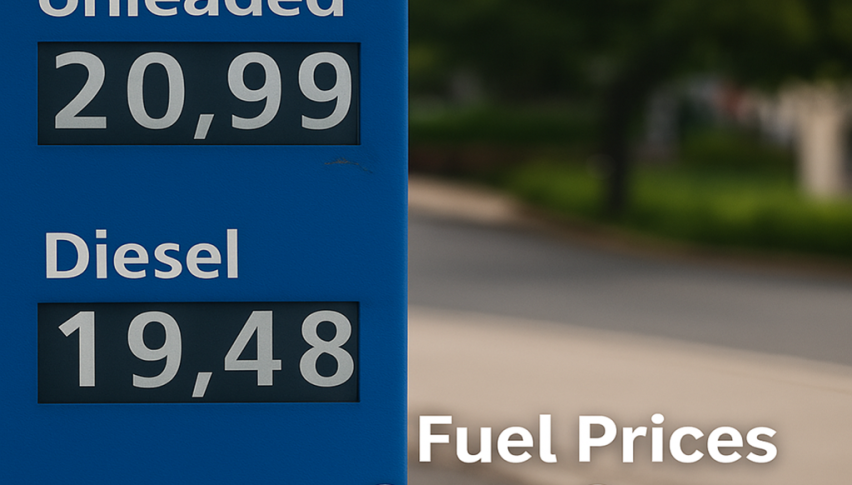
According to the latest projections from the Central Energy Fund (CEF), fuel prices are set to jump sharply because of surging global oil prices (Brent crude near US$103 a barrel), ongoing Middle East conflict, a weaker rand, and the new 21c/l general fuel levy:
– 93-octane petrol: expected rise of around R4.27 per litre
– 95-octane petrol: expected rise of around – R4.74 per litre
– Diesel (50ppm): expected rise of around – R7.83 per litre
– Diesel (500ppm): expected rise of around – R7.73 per litre
These increases will push inland 93-octane petrol to roughly R24.67/l and diesel wholesale prices above R26/l.
Impact on Food Prices
Diesel powers most freight, farming and delivery vehicles, so the knock-on effect on food prices will be significant.
Consumer groups and the Road Freight Association have already warned supermarkets and retailers to prepare for higher costs across the supply chain. Transport, fertiliser and harvesting expenses will all rise, pushing up the price of fresh produce, bread, maize products and imported staples such as rice.
Pietermaritzburg Economic Justice and Dignity Group coordinator Mervyn Abrahams said retailers must be transparent with consumers: “It is important that consumers monitor these price increases… and that they explain to consumers when these stocks were bought and that they were bought at a higher price.”
Locally produced foods may see delayed increases thanks to the recent bumper maize harvest, but once new planting cycles begin, the higher input costs will hit hard. Western Cape farmers, already dealing with Foot-and-Mouth Disease pressures, face extra strain during the critical fruit-picking and grain-planting period.
Advice from authorities and experts
– Buy fuel normally – there is no shortage.
– Suppliers: release all orders immediately or face consequences.
– Households: watch your grocery bills from April onwards and ask retailers to explain price changes.
The Western Cape Government and national Department of Mineral and Petroleum Resources continue to monitor the situation closely.
CCN will keep you updated on the final April fuel – price announcement and any further developments affecting Western Cape families and farmers.