How a 40-Year Shadow War Became Trump’s High-Stakes Poker Game Over Iran’s Lifeline
Cape Coast News Reporting
In the marble halls of the White House on April 5, 2026, President Donald Trump didn’t mince words. “If they don’t open that strait by Tuesday night,” he posted, “every power plant and bridge in Iran will be out of business. 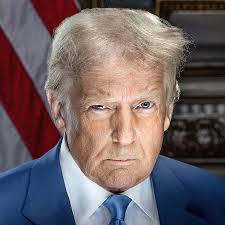 Whole civilisation will die tonight.” It wasn’t bluster from a reality-TV star turned commander-in-chief. It was the climax of a 47-year grudge match that began not with missiles, but with a 1979 revolution that flipped Iran from America’s oil-friendly ally into its most stubborn foe.
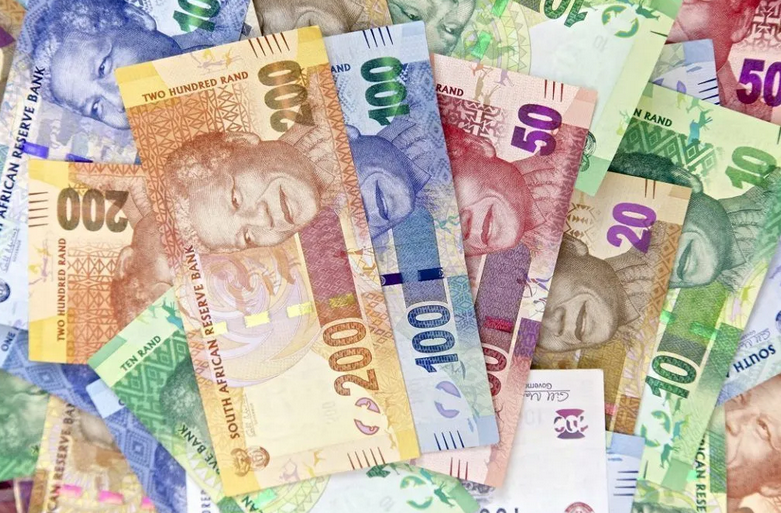
What most coverage misses is this: the real prize isn’t Tehran’s nuclear bunkers or even Israel’s security. It’s the narrow 21-mile-wide Strait of Hormuz – the jugular of global energy. One-fifth of the world’s oil supply squeezes through those waters every day. Iran’s closure of the strait in late February wasn’t just retaliation; it was economic warfare designed to make the pain global. Oil spiked past $115 a barrel. South African motorists felt it at the pump before most Americans did. Shipping lines rerouted around the Cape of Good Hope, turning Durban into an accidental winner while Europe and Asia paid the freight.
Trump’s strategy?
Classic deal-maker meets maximum pressure. He’s betting that by pairing Israeli precision strikes with American carrier firepower, he can force Iran to the table on his terms: reopen the strait, dismantle key proxies, and accept a new regional order where Israel’s survival is non-negotiable. Insiders say the White House sees this as finishing what the 2018 withdrawal from the nuclear deal started – only now with boots (and bombs) on the ground.
But here’s the insight few are saying out loud: this war is also about legacy. For Trump, it’s redemption after years of being painted as soft on strongmen. For Israel’s leadership, it’s pre-emption against an enemy that has vowed its destruction since 1979. For Iran’s theocrats, it’s survival – a chance to rally the Islamic world by portraying themselves as the last defenders against American-Israeli imperialism.
The human cost is already mounting. Iranian power plants are being hit. U.S. airmen have been rescued in daring operations. Yet markets are watching the clock: if the strait stays closed much longer, the ripple hits every petrol station from Cape Town to California. South Africa, quietly one of the biggest indirect victims, is a cautionary tale – a reminder that in the 21st century, great-power wars are fought as much with tankers as with tanks.
Will Trump’s deadline deliver a breakthrough or ignite something far bigger? History suggests the Middle East rarely hands out clean victories.
But in this round of geopolitical poker, the cards on the table are oil, ideology, and raw power – and the house (for now) is betting on Trump holding the aces.