Residents question fairness as major projects boost municipal revenue, but local services lag far behind
CCN Editor and Reporter – George April
Hopefield residents are raising serious concerns about what they describe as a growing imbalance, between the revenue flowing into the Saldanha Bay Municipality (SBM) and the level of service delivery reaching their town.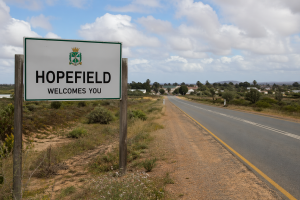 Despite contributing rates and taxes like all other communities within SBM, many residents believe Hopefield continues to receive only a fraction of the investment needed to maintain and grow the town.
Key Angle (Development vs Neglect):
The concern comes amid significant economic activity in the region, including contributions linked to major developments such as the Kropz Elandsfontein Mine and the Amoya Wind Farm. These projects, on Hopefield soil, are widely seen as valuable contributors to the broader municipal budget.
However, residents argue that the benefits of such developments are not filtering down to smaller towns like Hopefield.
Budget Context Section:
With SBM’s total 2026/27 budget estimated at around R1.3 billion, the reported allocation of approximately R5.6 million for Hopefield- whether forward – specific projects or clustered developments, has raised eyebrows among community members.
While municipal budgeting is not structured to divide funds equally between towns, residents feel the disparity is too large to ignore.
Municipal officials typically allocate budgets based on factors such as population size, infrastructure demand, and economic activity. Larger centres like Saldanha, Vredenburg, and Langebaan naturally attract more funding due to higher pressure on services and infrastructure.
Community Frustration:
Hopefield, known for its agricultural base, natural beauty, and tourism potential, continues to face challenges such as deteriorating roads, limited infrastructure upgrades, and slow development of community facilities.
Residents argue that these shortcomings are not new and have been repeatedly raised during Integrated Development Plan (IDP) consultations – often with little visible change.
The Bigger Concern:
Community voices warn of a dangerous cycle:
Neglect of infrastructure leads to reduced economic activity, which in turn weakens the local revenue base – resulting in even less future investment.
They believe Hopefield’s potential in agriculture, eco-tourism, and heritage tourism is being undermined by a lack of strategic municipal investment.
Call for Fairness and Action:
While SBM is not considered financially distressed compared to many municipalities in South Africa, it faces ongoing pressures such as rising operational costs, bulk service demands, and infrastructure backlogs.
Residents are not necessarily calling for equal spending – but for fair, visible, and impactful investment that reflects Hopefield’s contribution and potential.
The key question being asked is whether community inputs during IDP and budget processes are genuinely influencing decisions – or merely serving as a formality.
For many in Hopefield, the message is clear: development in the region must be inclusive – otherwise smaller towns risk being permanently left behind while contributing to a system that does not reinvest in their future.