Negotiations Drag On as Tehran Plays Its Leverage Card and Trump Keeps the Threats Alive
CCN Reporting
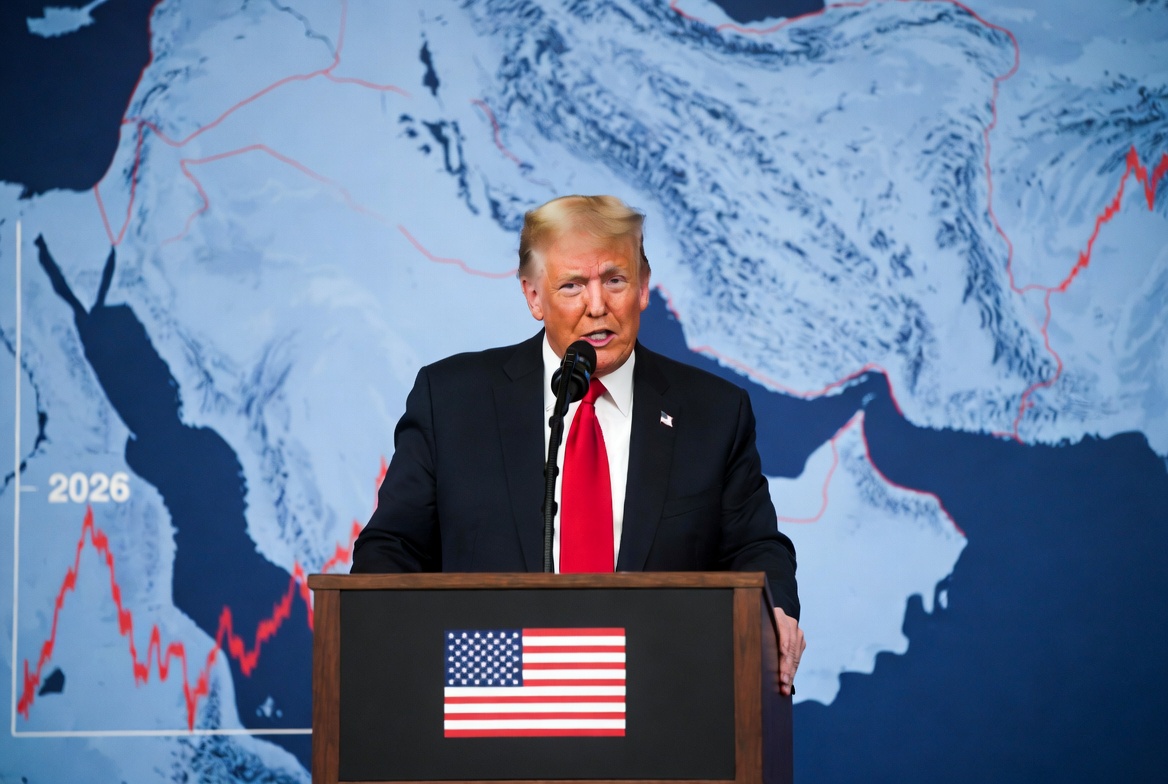
Cape Town:- As the world watches anxiously, U.S. President Donald Trump has put a major planned strike on Iran on hold, giving diplomacy a narrow window while warning that he is ready to unleash “a very large-scale assault” if talks fail.
Negotiations, mediated partly through Pakistan, are described as being in their “final stages.” Iran submitted a revised peace proposal this week, but Trump quickly labelled key parts “totally unacceptable.” He says he is willing to wait “a few days” for the right answer, but has made it clear: no solid deal means renewed military action.
Iran’s Leverage (“Lefie”) Strategy
Iran’s main source of power right now is its control over the Strait of Hormuz – the narrow chokepoint through which about 20% of the world’s oil and LNG normally flows. Since the early days of the conflict, Iran has restricted shipping, demanded tolls, and effectively turned the strait into a strategic weapon.
By threatening and selectively blocking vessels, Tehran has created massive global oil price pressure. This forces the U.S. and its allies to feel economic pain at home (higher fuel prices) while giving Iran bargaining power at the negotiating table. Experts call this “triangular coercion” – using disruption to global energy markets to deter stronger military action and extract concessions like sanctions relief, asset unfreezing, and recognition of some control over the waterway.
Despite heavy damage from earlier U.S. and Israeli strikes, Iran has managed to keep this leverage alive because fully reopening the strait without a favourable deal would remove its strongest card.
If Trump Follows Through on His Threats – What Happens?
If Trump decides the talks have failed and orders a full-scale renewed attack on Iran, the impact on global fuel supplies could be severe:
- Oil Exports and Prices: A major escalation would likely lead to further disruption or even a longer closure of the Strait of Hormuz. Analysts warn that sustained disruption could push Brent crude well above $110 – $130 per barrel (or higher in a worst-case scenario). This would translate into significantly higher petrol and diesel prices worldwide, including in South Africa, where fuel prices are already painfully elevated after the May hikes.
- Broader Ripple Effects: Supply chains for oil and LNG would face massive bottlenecks. Asian markets (big buyers of Gulf oil) would be hit hard, global inflation would spike further, and countries like South Africa – which import nearly all their fuel – would see even steeper costs for transport, food, and everyday goods.
- Risks: While the U.S. has superior military power, a full assault could trigger Iranian retaliation against Gulf oil infrastructure, mines in the strait, or proxy attacks – potentially turning a contained conflict into a wider regional crisis with devastating energy consequences.
Bottom line: Iran is playing a dangerous but clever game with its Hormuz leverage. Trump is betting that maximum pressure (military threats + blockade elements) will force Tehran to fold on nuclear demands and strait control. So far, neither side has blinked completely.
The coming days are critical. A breakthrough could bring relief to fuel prices later this year. Failure could mean another sharp spike at the pumps and deeper economic pain for ordinary people far from the battlefield.
CCN Online will keep following this story – because when superpowers clash over oil, it hits your pocket directly.