Saudi, UAE, Kuwait & Qatar Weigh Nuclear Option as Iran War Drains Their Coffers
CCN Editor/ Reporter – George April
In air-conditioned boardrooms from Riyadh to Abu Dhabi, a quiet revolution is brewing.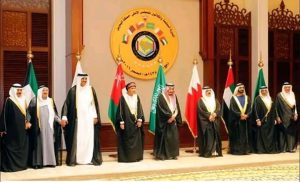 Saudi Arabia, the United Arab Emirates, Kuwait and Qatar – America’s longtime oil-rich allies, are no longer just complaining about the cost of the US-Israel war against Iran. They are reviewing every contract, every investment pledge, and every future commitment with the United States.
According to a bombshell Financial Times report this week, Gulf officials have already started internal audits to see if they can invoke force majeure clauses and walk away from billions in US deals.The reason? The war is bleeding them dry.
Iranian missiles have hit Saudi refineries, grounded flights in Dubai, and turned luxury hotels in the UAE into temporary war zones. Defense spending has exploded. Tourism has collapsed. Shipping through the Strait of Hormuz is a nightmare. And the US, their supposed protector, is too busy fighting to shield them properly.
One unnamed Gulf official told FT: “We are looking at everything; investment pledges, sports sponsorships, business contracts, even selling existing holdings, to ease the strain.”
Translation: The $1.4 trillion UAE pledge to the US, Saudi’s massive arms deals, Qatar’s energy investments, all of it is now on the table.
What happens to the world economy if they actually pull the trigger?
Think dominoes.
Wall Street’s nightmare scenario
Gulf sovereign wealth funds hold hundreds of billions in US Treasuries and equities. A sudden sell-off would push American borrowing costs higher at the worst possible time. Defense giants like Lockheed Martin and Raytheon, already riding high on war contracts – could see their order books slashed overnight.
The Dow and Nasdaq would feel the pain instantly.
The petrodollar’s quiet death
For 50 years the US dollar has ruled because Gulf oil was sold in dollars. If those relationships fracture, even partially, the shift toward yuan and other currencies accelerates. Gold and Bitcoin would love the chaos.
Oil shock 2.0
Prices are already up sharply because of the war. A Gulf pullback adds political risk premium on top. Energy-importing countries from Europe to South Africa will feel it at the pump – and in their inflation numbers.
The multipolar world just got real
Money that was heading to New York and Silicon Valley could now flow toward Beijing’s Belt and Road or Moscow’s discounted energy deals. The BRICS bloc suddenly looks a lot more attractive.
But here’s the reality check
This isn’t a full divorce… yet. The Gulf still needs US military protection, and America still needs their oil and cash. Many analysts see this as classic Gulf negotiating tactics: use the war as leverage to get better terms or force Washington to end the conflict faster.
Still, the signal is unmistakable. The old order – where Gulf money propped up the US empire without question, is cracking.
CCN spoke to a senior emerging-markets strategist (who asked not to be named) who summed it up perfectly:
“People have been calling ‘the end of the US empire’ for decades. This time it’s not a theory – it’s a line item on a Gulf budget spreadsheet.”
Watch this space.
If force majeure clauses start getting triggered, the ripple effects will be felt from Cape Town to California. The age of easy Gulf money for America might be over – and the world economy is about to find out what that really means.