Financial Strain, Leadership Tensions, and What It Means for the Party’s Future
CCN Editorial – Analysis
Recent developments in the Democratic Alliance (DA) have exposed cracks within a party long presented as a disciplined counterweight to the ANC.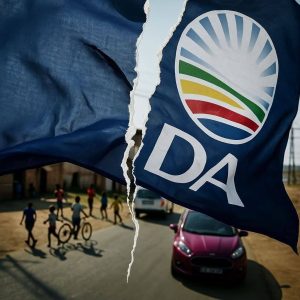
From John Steenhuisen’s personal financial troubles to the controversial removal of Dion George, voters and political observers are asking tough questions about credibility, cohesion, and leadership.
Steenhuisen’s Financial Challenges
Reports confirm that DA leader John Steenhuisen faces a default judgment for unpaid personal credit‑card debt. While he insists this is a private matter, financial accountability is a core value the party promotes. Leaders’ personal credibility often reflects directly on the parties they represent, and such scrutiny inevitably raises concerns among voters.
The Dion George Controversy
The removal of former Minister Dion George, has intensified attention on the DA’s internal dynamics. Allegations from staff about bullying and insubordination reportedly contributed to his dismissal, though George denies wrongdoing. Some media reports suggest that part of the conflict may relate to George’s environmental positions, including opposition to captive-lion breeding, showing that policy disagreements may intersect with internal politics.
Leadership Tensions and Speculation
Commentators note Helen Zille’s measured public silence and the rising profile of Geordin Hill‑Lewis as possible signs of realignment within the party. While speculation about succession and influence remains unconfirmed, these elements, combined with Steenhuisen’s financial scrutiny and George’s removal, raise questions about how effectively the DA can project stability and maintain public trust.
Implications for the Party and Voters
These developments suggest a party navigating a challenging period where credibility, leadership, and policy alignment are simultaneously tested. Voters are left to consider whether the DA can resolve internal disputes constructively, uphold its principles, and maintain transparency. Failure to do so risks further erosion of trust and authority.
Internal tensions are not unusual in politics, but the combination of personal financial scrutiny, leadership disputes, and policy clashes in the DA underscores the need for transparency, accountability, and clear communication. As the 2026 congress approaches, the party faces a delicate balancing act – one that will determine whether it maintains credibility or loses ground while the house burns around it.
Note: This editorial / analysis was inspired by community discussions, including a post by Grant Pascoe on the Khayelitsha News Facebook page. CCN presents this story as an independent analysis based on publicly reported facts and commentary, and does not take sides or make unverified claims.