
Calls for Investigation Grow
CCN News
Clanwilliam:- Serious allegations of mistreatment, overcrowding, and selective enforcement against migrants from Malawi and Zimbabwe, have surfaced in Clanwilliam, raising questions about police conduct and adherence to immigration and human rights laws.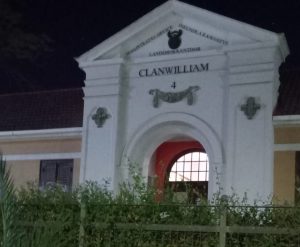 The issues reportedly escalated in November (around 9 November, with key events on 15 November), following a major immigration operation in areas including Oosterdorp and Rijnsdorp. Migrants were detained in police cells, allegedly pending deportation as ordered by immigration authorities. However, community sources claim that instead of swift deportation for those without valid documents, many faced prolonged detention, physical abuse, and inhumane conditions.
Freda, a resident of Moroccan origin now living in the area, described a chaotic scene: “There was a flood of migrants let in, but immigration said they must be deported back to Malawi and Sotho areas in Zimbabwe. Yet they remained in the cells, some still there. People were beaten, abused, and given food in degrading ways.”
She highlighted cases where migrants disguised themselves to evade deportation, and mentioned a young boy named William who was released after enduring harsh treatment. “This is not how it should work,” she said. “William Selle (possibly referring to a holding facility or process) is just a lock-up spot for hours or days until Monday, then perhaps transfer to Lambers Bay if not serious.
But for immigrants, release doesn’t happen.”
A particularly disturbing incident involved a refugee allegedly raped on 24 December. In the trauma unit, nurses reportedly discussed detaining a suspect, but cells were overcrowded with up to 15 people. “If it’s not an immigrant but someone with a passport, they get released faster,” Freda alleged, pointing to perceived bias and abuse targeting vulnerable migrants.
One recently released detainee described only one officer consistently monitoring the cells and assisting with passports when requested, but emphasized that physical and individual abuse is unlawful. “They were arrested, taken to hospital, and not properly locked up again. This is not police procedure under the law,” Freda stressed. She questioned the accountability of the station colonel and captain, insisting deportations should proceed if documents are lacking, as per court and immigration rulings.
Despite efforts to seek answers, responses have been minimal. Cape Coast News (CCN) sent media inquiries to the South African Police Service (SAPS) and to Chris Nissen of the South African Human Rights Commission (SAHRC). All were read but unanswered. Videos, forwarded to CCN by Deon Carelse, a well-known Cape Town-based community activist, committed to uplifting disadvantaged groups and victims. CCN shared videos via WhatsApp with Brigadier Tania Hosking. The messages were opened, yet no confirmation of any investigation or follow-up action has been received.
A separate community leader echoed widespread frustration in a WhatsApp message to CCN: “Clanwilliam police act as if the sun shines out of their backsides. They are rude and pick sides when it comes to cases.”
Deon Carelse, known for his activism in areas like gender-based violence, homelessness, and community justice in the Western Cape, has been instrumental in highlighting these issues. His involvement underscores a growing call for transparency and intervention from higher authorities.
These allegations, if substantiated, point to potential violations of detainees’ rights, including protection from abuse and fair treatment under South African law and international standards. CCN urges the SAPS Western Cape provincial command, the Independent Police Investigative Directorate (IPID), and the SAHRC to launch a prompt and thorough investigation.
The community deserves policing that protects all residents, citizens and migrants alike, without fear, favour, or abuse.
For further information or to share evidence, contact CCN or the relevant authorities.