Consultations for Massive eSAF Project
CCN Editor – George April
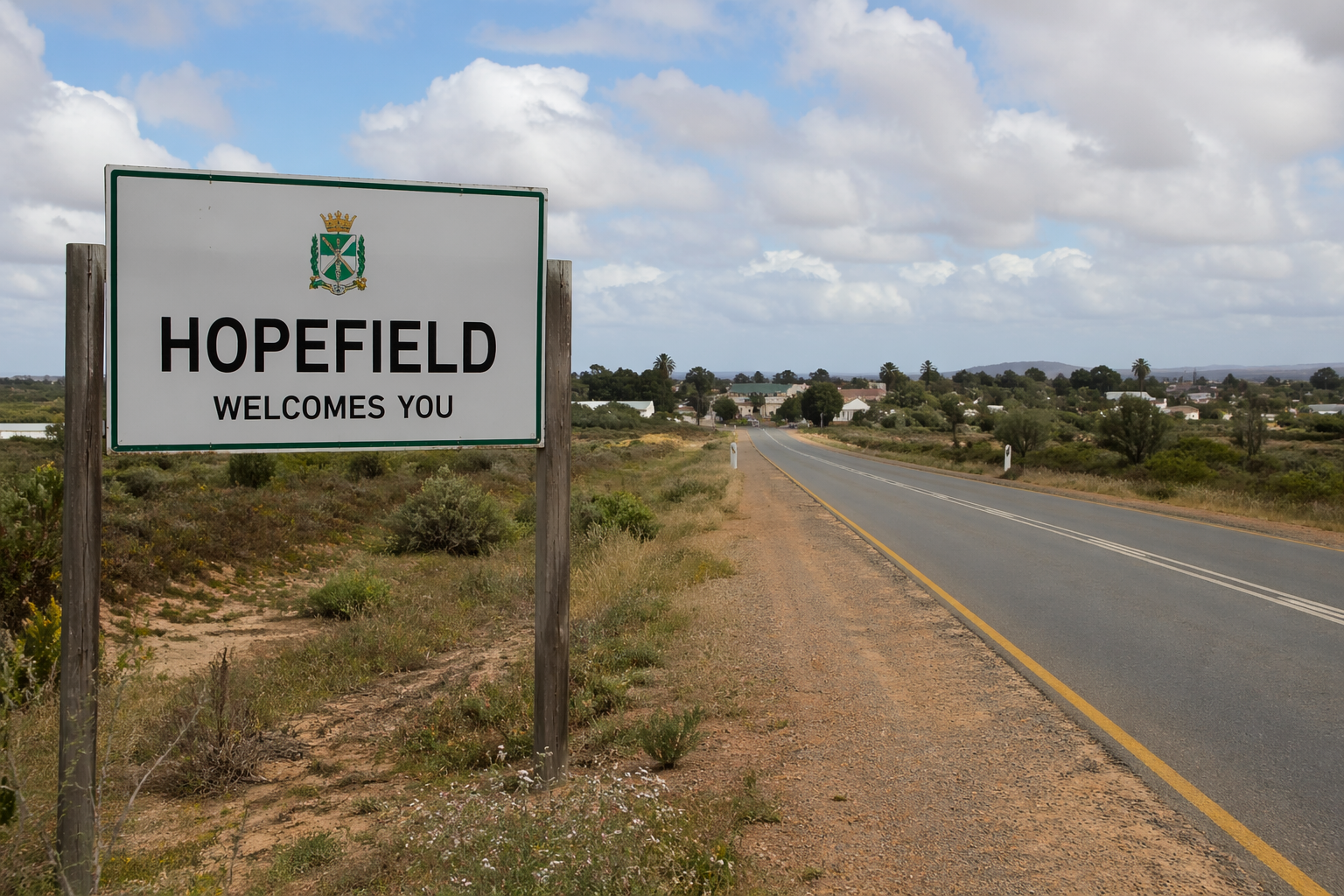
Hopefield:- As the public comment period on the controversial Phelan eFuels Green Hydrogen and electro-Sustainable Aviation Fuel (eSAF) plant closes, local residents, many long-time DA supporters _ say they are being left with more questions than answers about the project’s impact on scarce water resources, fragile biodiversity, and the future character of the West Coast.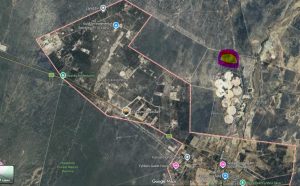 The proposed facility, located just three kilometers north of the historic town, would include a large chemical processing plant and require vast solar arrays and wind infrastructure to power hydrogen production for up to 140,000 tone’s of eSAF annually, destined for European markets.
While proponents highlight economic benefits and alignment with global net-zero goals, concerned residents argue the trade-offs for this ecologically sensitive area are unacceptable.
Water Security Under Threat
One of the biggest red flags raised by residents is the project’s heavy water demand in a drought-prone region, reliant on aquifers and seasonal rainfall. The scoping reports indicate the plant could consume up to 8 million liters per day, with a portion drawn from municipal potable supplies and significant groundwater extraction.
The site overlies a highly permeable aquifer rated as having high vulnerability to contamination. Any spill or leakage from the chemical plant, which will handle inflammable and hazardous materials _ could irreversibly damage freshwater inflows to the nearby Ramsar-protected Berg River estuary and Langebaan Lagoon wetlands.
Local letters and submissions to the environmental assessment practitioners highlight fears of long-term aquifer drawdown, competition with existing farms and residents (especially during dry summers), and the production of large volumes of industrial wastewater.
One resident noted in correspondence: “We are already managing water carefully in this arid area. How can we justify allocating millions of liters daily to an industrial process that benefits European airlines while risking our own wetlands and farming viability?”
Responses from project representatives and authorities have been described as generalized assurances of compliance with regulations, without detailed, site-specific modelling addressing cumulative impacts over the 25-year lifespan.
Residents report that follow-up questions on contingency plans for leaks, monitoring, and mitigation often go unanswered or are deferred to later phases.
Biodiversity at Risk in a Critical Area
The project footprint includes portions of Hopefield Sand Fynbos (a threatened and highly localized ecosystem) and a Critical Biodiversity Area. Up to 3,000 hectares or more could eventually be covered by solar panels, permanently transforming farmland and natural vegetation that supports over 500 fynbos species, spring wildflowers, and endangered wildlife such as the Black Harrier and Southern Black Korhaan.
Fynbos in this region depends on specific fire regimes, sandy soils, and intact aquifers. Carpeting the landscape with panels risks soil degradation, disruption of pollination and bird migration routes, and loss of the area’s renowned botanical value. Residents’ letters emphasize that this is not degraded or low-value land, but part of the Cape West Coast Biosphere Reserve. This area is one of the world’s most sensitive hotspots.
Official responses in public documents and meetings have pointed to environmental management plans and rehabilitation commitments, but critics argue these underestimate the irreversible nature of clearing fynbos and the visual/industrial transformation of the Sandveld.
Frustrations with Public Meetings and Consultation Process
Multiple residents describe public participation meetings for the solar components and the broader eSAF project as poorly advertised, rushed, or lacking substance. “We get presentations full of promises, but when we ask specific questions about water modelling, fire risks, or exact panel coverage near the town, the answers are vague or ‘to be determined later’,” one attendee said.
Letters submitted by concerned locals, including farmers, tourism operators, and conservation-minded residents, repeatedly call for better transparency, independent expert reviews, and genuine consideration of alternatives (such as locating heavier industrial elements away from sensitive aquifers and biodiversity zones).
Feedback indicates that while some acknowledgements of receipt have been sent, detailed responses addressing the substance of objections have been limited or absent ahead of the 8 June 2026 comment deadline.
Groups like Protect the West Coast have amplified these calls, urging submissions via platforms such as Ripl to ensure resident voices carry legal weight in the Environmental Impact Assessment (EIA).
DA’s Balancing Act
With the DA controlling Saldanha Bay Municipality, holding key Western Cape portfolios, and national influence through Minister Willie Aucamp, many locals expected stronger scrutiny. Instead, the project has advanced relatively quietly until community pushback intensified. Residents who have written to Premier Alan Winde and local councilors report polite acknowledgements, but little indication of intervention to pause or substantially redesign the development.
This leaves DA-aligned Hopefield residents feeling caught between party loyalty and the tangible threat to their “sense of place,” tourism economy, and environmental heritage. As one submission summarized: “We support responsible development, but not at the cost of turning the West Coast into an outsourced sacrifice zone for EU climate targets.”
The coming weeks will be critical as authorities review the scoping reports and public comments.
For many in Hopefield, the question is whether genuine local concerns on water, biodiversity, and consultation will lead to meaningful changes – or whether the hydrogen project will proceed largely as planned.
CCN will continue to monitor responses to resident submissions and any updates from the Western Cape Department of Environmental Affairs, DFFE, and the proponent
Picture: iStock
