And 10-Year Licence Cards Move Closer – Amid Record Petrol Prices
CCN Reporter – George April
South African motorists facing the highest fuel prices in history, have received a welcome piece of longer-term relief: the move to extend ordinary driving licence card validity from five to 10 years is now just two steps from becoming law.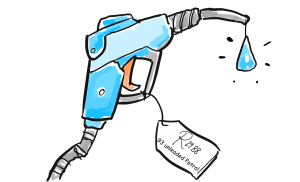
From Wednesday, 7 October 2026, inland 95 unleaded petrol broke the R30 barrier for the first time, rising R3.33 to R30.25 a litre. 93 unleaded climbed R3.12 to R29.88, while diesel also jumped sharply. The increases mean a typical 50-litre fill now costs around R167 more than last month, adding thousands of rands to annual transport costs for most households.
Against this painful backdrop, the Department of Transport confirmed that the long-awaited licence card extension is advancing steadily.
Transport Minister Barbara Creecy gazetted the proposal on 17 August 2026. Once finalised, cards for codes A, A1, B and EB will be valid for 10 years from the date they are ordered from the Card Production Facility. Heavier vehicle codes C1, C, EC1 and EC will remain at five years, and Professional Driving Permits will continue to last two years. Public comments closed in September and the department is currently incorporating the feedback.
Only two steps remain: the regulations must return to Cabinet for approval, after which the Minister will publish the final changes to the National Road Traffic Regulations.
The department explained that a driving licence itself is permanent and never expires. The physical card has until now been limited to five years so that eye tests and fitness declarations can be repeated regularly. Extending ordinary cards to a decade will modernise the renewal system, significantly reduce pressure on testing centres, cut long queues and backlogs, and align South Africa with international best practice – while retaining stricter controls for heavy and professional drivers.
For drivers already stretched by record fuel bills, the prospect of renewing a standard licence card only once a decade instead of every five years offers genuine administrative and potential cost relief. Fewer trips to the licensing office mean less time off work, lower transport expenses to testing centres, and reduced hassle in an already expensive motoring environment. Card prices may still be adjusted, but the overall burden of frequent renewals is set to ease substantially.
In a month when filling the tank has never hurt more, the approaching 10-year licence card stands out as rare positive news