CCN News
Western Cape:- The sun rose blood-red over Franschhoek on the morning of January 22, 2026, the sixth day of the unrelenting blaze that had already devoured more than 23,500 hectares of fynbos and pine plantations in the mountains above the valley.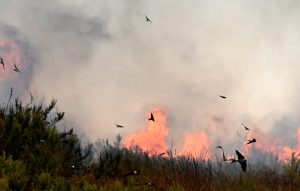 Smoke hung thick like a shroud, turning the famous vineyards into ghostly silhouettes.
Maria van der Merwe, a third-generation wine farmer, stood on her stoep clutching a wet cloth over her face. The fire had started innocently enough, a discarded cigarette or perhaps a spark from a distant braai, but the Cape’s infamous berg winds had turned it into a monster. Flames raced up the slopes faster than any helicopter could respond, flaring up again and again as embers leaped across firebreaks.
“Day six,” she whispered to her husband Pieter, watching the orange glow creep closer to their farm. Firefighters from the Cape Winelands District Municipality had been battling non-stop, with aerial support finally able to drop water yesterday when the winds eased slightly. No homes lost yet in Franschhoek, thank goodness, but thousands of hectares gone, wildlife fleeing, and the air so thick with ash that breathing hurt.
Down in Cape Town, Premier Alan Winde called yet another press briefing, pleading for a formal disaster declaration. “This isn’t just fire season anymore,” he said. “It’s a crisis that could stretch to May if the drought doesn’t break.” In the Garden Route and beyond, similar blazes threatened communities, displacing families and testing emergency services to their limits.
Maria turned away from the view. She knew the land would recover, fynbos always did, after fire, but the waiting was the hardest part. As another helicopter thundered overhead, dumping retardant in a desperate bid to hold the line, she prayed for rain that refused to come.