Of the Phelan Green Hydrogen Project as EIA Phase Advances
CCN Reporting
Hopefield:- Concerned residents across the West Coast and Hopefield area now have access to a plain-language guide summarising the Final Scoping Report for the proposed Phelan Green Hydrogen and electro-Sustainable Aviation Fuel (eSAF) project.
The document, circulating in community groups, explains the project in everyday terms without taking sides – and it underscores that many of the biggest local concerns still require detailed answers before any environmental approval.
The project, linked to broader green energy ambitions near Hopefield, aims to produce green hydrogen and synthetic aviation fuel using renewable electricity, water, and captured biogenic CO₂. It is planned in phases, eventually targeting up to 140,000 tonnes of eSAF per year. Proponents highlight potential jobs, economic investment, and a contribution to lower-carbon aviation.
However, the Scoping Report itself flags several high-significance risks before mitigation, particularly around water security, groundwater protection, biodiversity (including Hopefield Sand Fynbos), visual and landscape impacts, and safety considerations for battery storage and hydrogen handling.
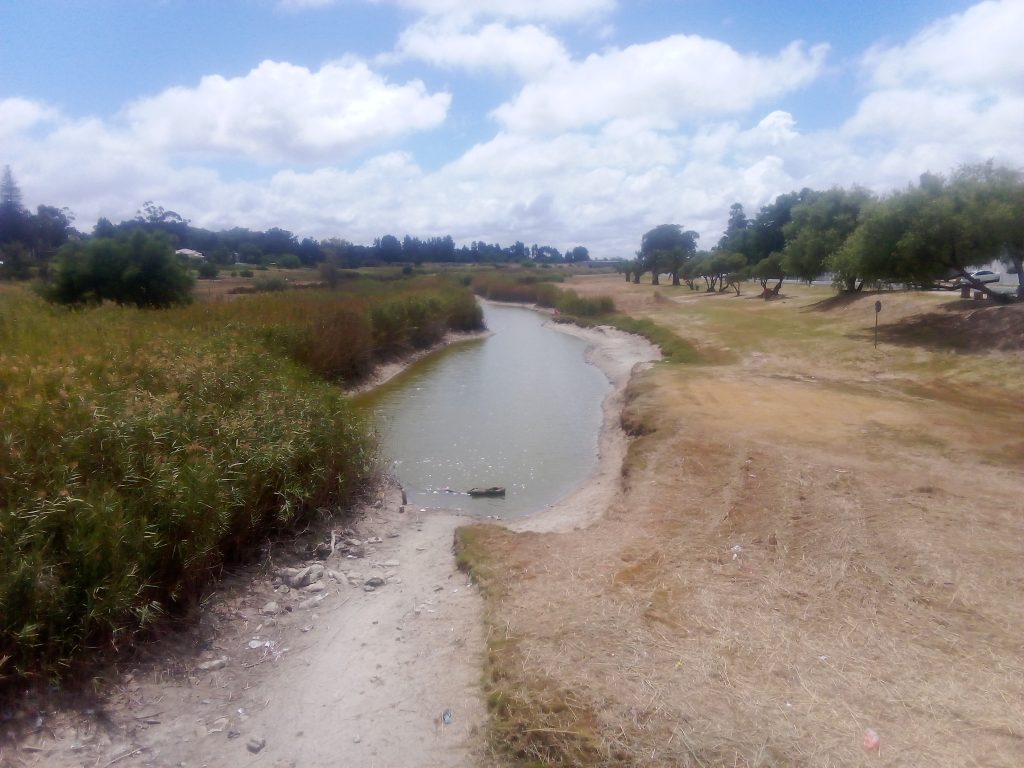
Water remains a flashpoint: The guide confirms water is essential for electrolysis (splitting water into hydrogen and oxygen) as well as cooling, cleaning, and fire systems. Developers propose sourcing it without using municipal supplies and implementing a Zero Liquid Discharge system to recycle as much as possible. Yet the report identifies groundwater contamination as a **high risk**, noting potential threats to local farming, residents, and downstream systems like the Sout River and Langebaan Lagoon. Residents are asking: Where exactly will the water come from in the long term? What ironclad safeguards exist during droughts? And will independent monitoring results be public?
Proximity to the town is another core concern: Unlike some other solar facilities located farther out (e.g., Touwsrivier ~13-15 km from its town), this development is proposed on farm portions relatively close to Hopefield. The guide notes potential changes to the rural character, increased traffic (including worker buses), noise, dust, and cumulative industrial pressure on the West Coast. High risks around habitat loss and sense of place are highlighted for further EIA study.
Safety and jobs also feature prominently. Battery Energy Storage Systems (BESS) and hydrogen handling require major hazard assessments due to fire and flammability risks. On employment, construction could see around 400 workers (mostly bused in), with 500 operational roles later – but the report does not specify how many will be local Hopefield residents versus those brought in from elsewhere. Communities are pushing for clear local hiring targets, training programmes, and definitions of “local.”
Importantly, the Final Scoping Report is not approved: It identifies issues for the full Environmental Impact Assessment (EIA), where independent specialists must prove impacts can be avoided, reduced, or managed acceptably. If not, authorities can demand redesign, strict conditions, or refusal.
Community members see this as a positive development in transparency: One resident noted, “Having the risks laid out clearly in plain English empowers us to ask the right questions and participate meaningfully.” Groups are now coordinating input for the EIA process, focusing on binding guarantees for water, buffers, local benefits, and independent oversight.
The project remains in the assessment phase. Residents are encouraged to review the guide, submit comments, and attend future public participation opportunities. While economic potential exists, many emphasise that long-term sustainability for the West Coast – especially in a water-stressed area – must come first.
*This story is based on the community guide derived from the Final Scoping Report. For official details, refer to the EIA documentation.